Unveiling Singapore: A Tapestry of History, Progress, and Prosperity
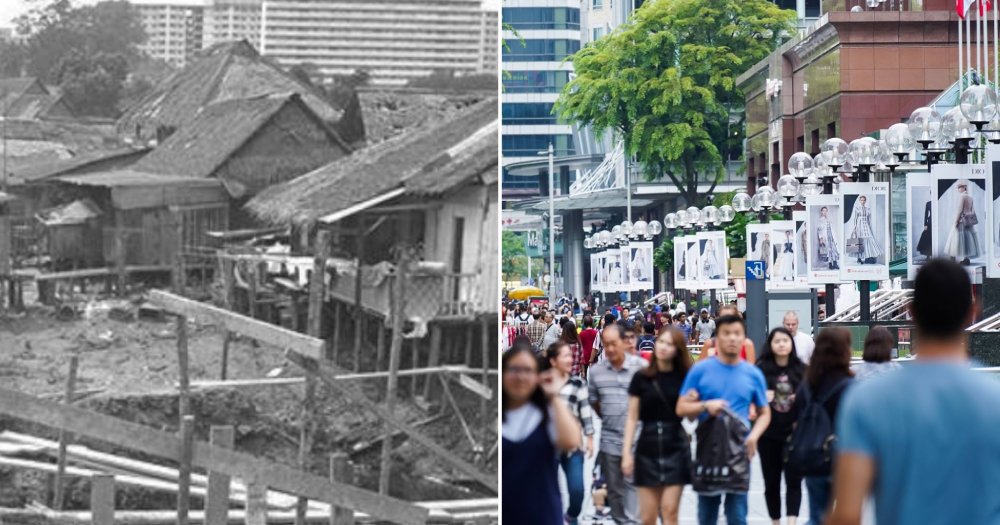
Singapore, a captivating city-state nestled at the southern tip of the Malay Peninsula, has emerged as a shining beacon of economic success and multicultural harmony. This vibrant metropolis, once a humble fishing village, has transformed itself into a bustling global hub renowned for its innovation, efficiency, and prosperity. Join us as we embark on a journey through Singapore’s captivating history, exploring the factors that have contributed to its remarkable development and uncovering the fascinating facets that make it truly unique.
A Glimpse into the Past:
Singapore’s history dates back over 700 years when it was a part of the ancient Srivijaya and Majapahit empires. However, it was in the 14th century that it gained prominence as a trading post under the rule of the Kingdom of Singapura. The strategic location of the island, along key maritime routes, attracted merchants from around the world, fostering a vibrant trading community.
Colonial Legacy:
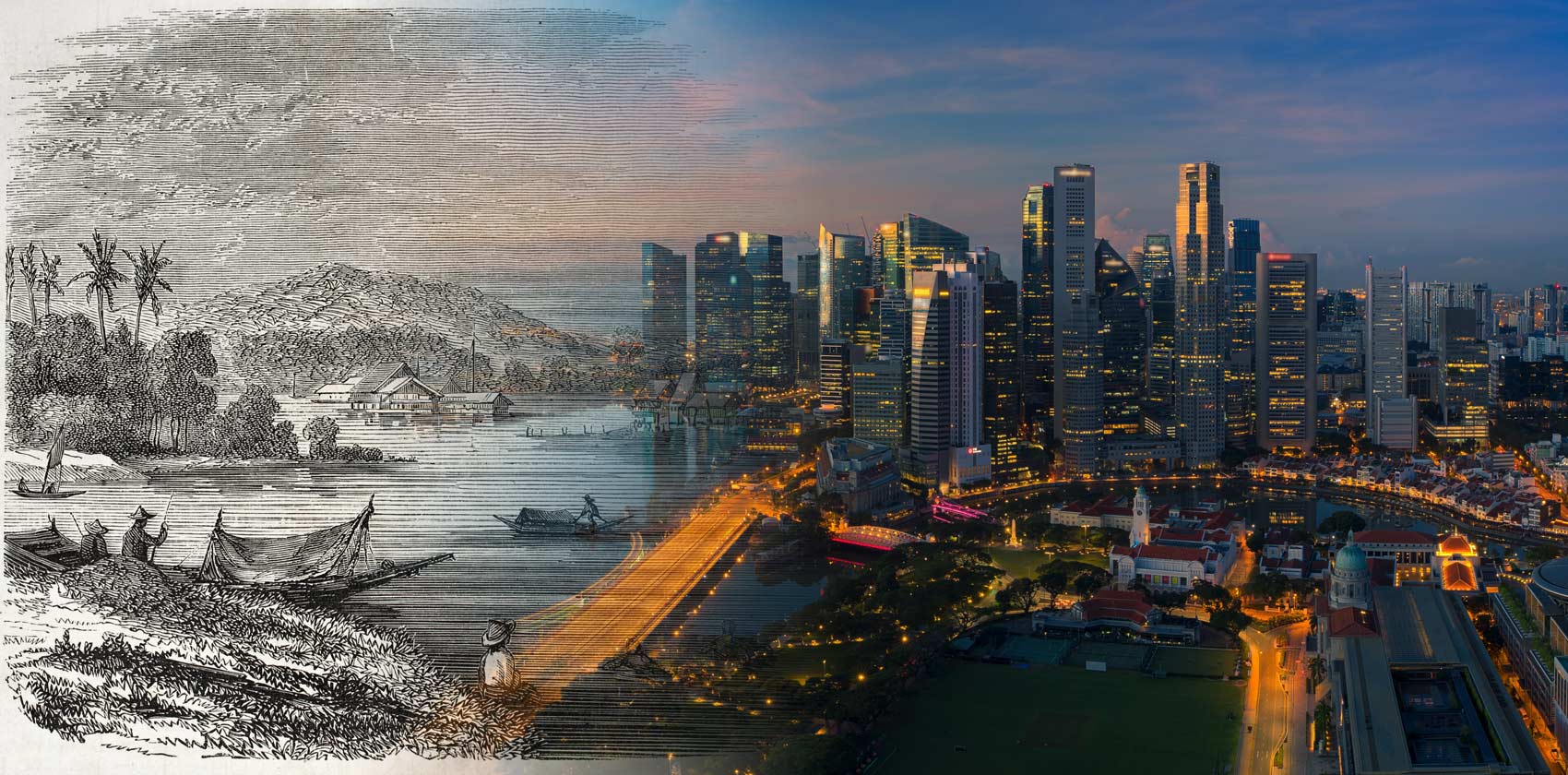
The arrival of European powers in the 19th century brought significant changes to Singapore. Sir Stamford Raffles, a British statesman, recognized the potential of the island and established a trading post in 1819. Under British colonial rule, Singapore flourished as a free port, attracting immigrants from China, India, and the Malay Archipelago. This diverse influx of cultures laid the foundation for Singapore’s multicultural fabric that still thrives today.
The Road to Independence:
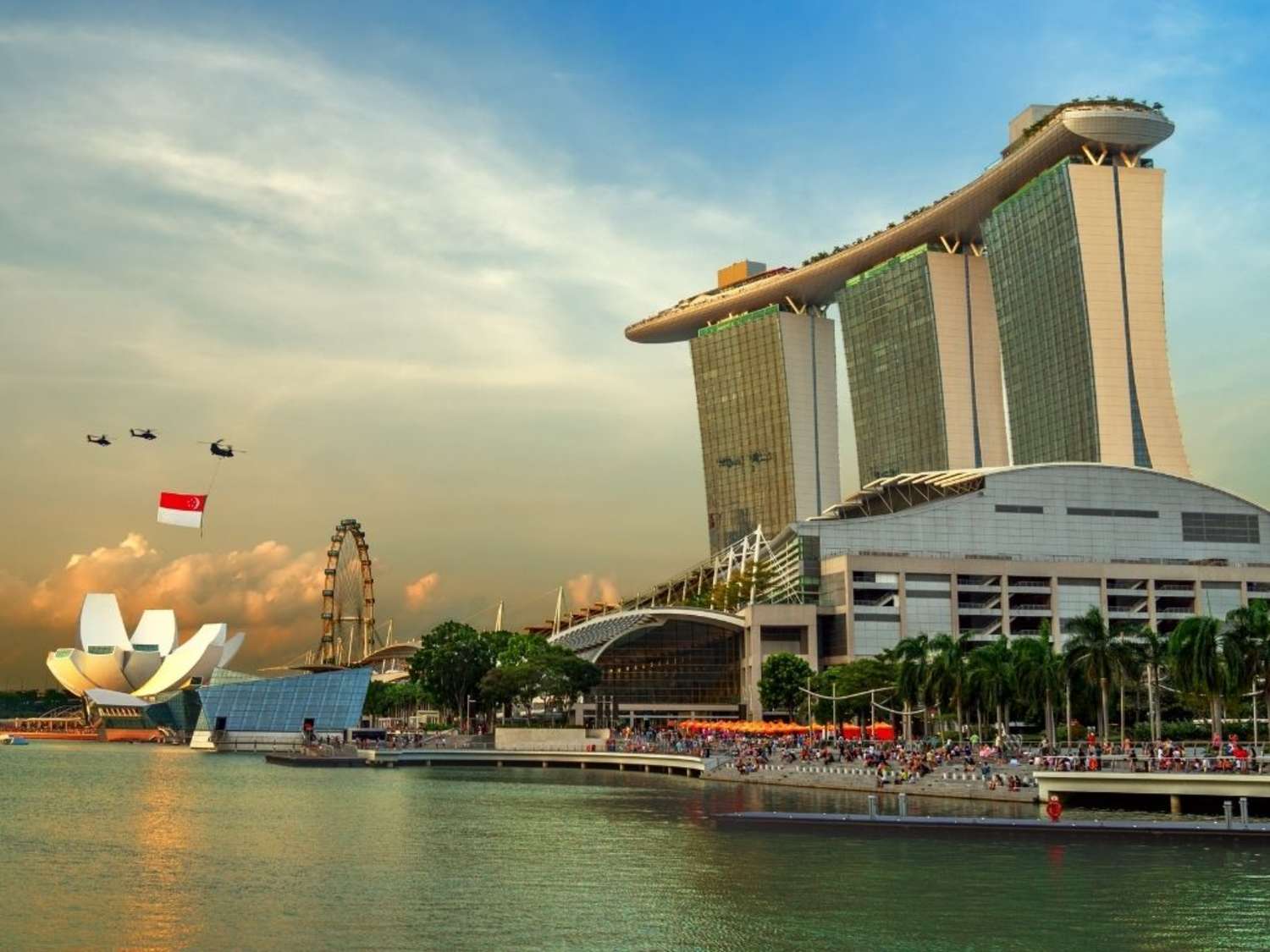
After a tumultuous period during World War II, Singapore gained independence from the British in 1965. The newly formed nation faced numerous challenges, including limited natural resources, high unemployment, and a rapidly growing population. However, under the visionary leadership of its founding father, the late Mr. Lee Kuan Yew, Singapore embarked on a transformative journey toward development and prosperity.
Visionary Leadership and Good Governance:
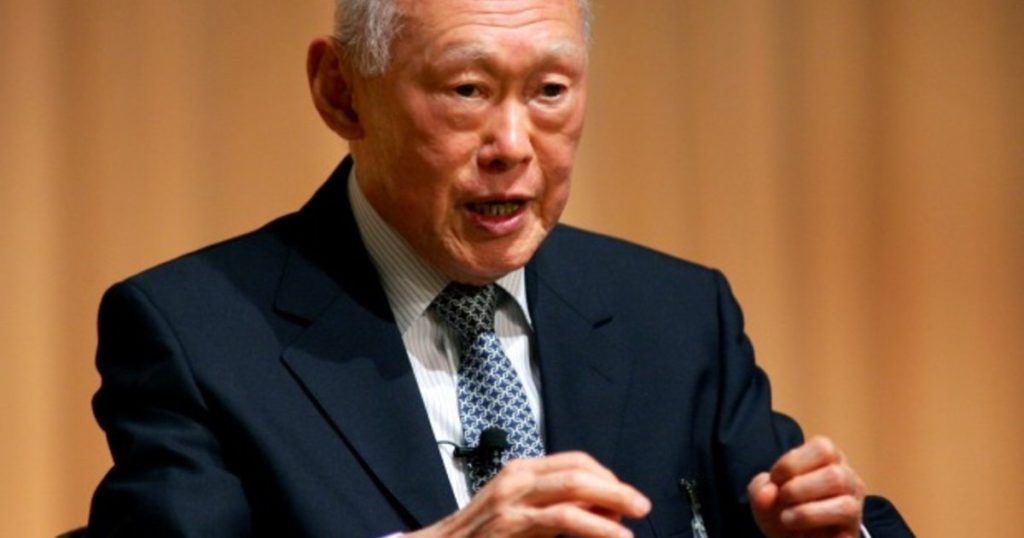
One of the key factors behind Singapore’s remarkable development lies in its commitment to good governance and visionary leadership. Mr. Lee Kuan Yew and subsequent leaders implemented policies focused on stability, meritocracy, and long-term planning. Through strategic investments in education, infrastructure, and healthcare, Singapore built a strong foundation for economic growth and social progress.
Economic Miracle:
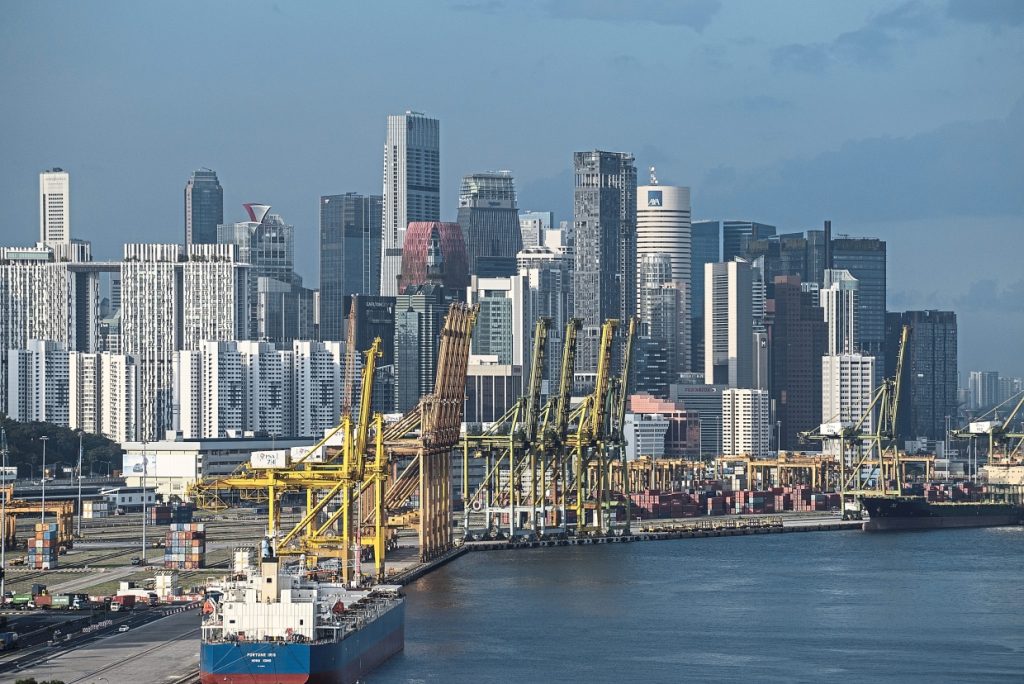
Singapore’s economic success story is often hailed as a “miracle.” From its early days as a trading hub, Singapore has evolved into a global financial center and a thriving business destination. The government’s pro-business policies, efficient bureaucracy, and strategic location have attracted multinational corporations, making Singapore a hub for finance, technology, logistics, and innovation. The country’s robust legal framework, protection of intellectual property rights, and skilled workforce have also contributed to its reputation as a reliable and competitive business hub.
Education and Human Capital:
Recognizing that human capital is the key to sustainable development, Singapore places great emphasis on education. The country has a world-class education system that promotes excellence, creativity, and critical thinking. Its universities and research institutes collaborate with global partners to drive innovation and scientific advancements. The government also places a strong focus on skills development and lifelong learning, ensuring a skilled and adaptable workforce that can thrive in the evolving global economy.

Cultural Harmony:
Singapore’s cultural landscape is a tapestry woven from diverse threads of different ethnicities and religions. The country’s success in maintaining racial and religious harmony is a testament to its commitment to social cohesion. Policies promoting equality, respect, and understanding have fostered an inclusive society where different cultures coexist harmoniously. Festivals such as Chinese New Year, Hari Raya, Deepavali, and Christmas are celebrated with enthusiasm, showcasing the multicultural vibrancy of the nation.

Garden City and Sustainable Development:
Singapore’s dedication to sustainable development is evident in its green initiatives and urban planning. Despite its small size, the city-state boasts an abundance of green spaces and meticulously designed parks. The iconic Gardens by the Bay, with its stunning Supertrees and sustainable architecture, symbolizes Singapore’s commitment to environmental preservation. The country also leads in water management, recycling, and clean energy solutions, setting an example for sustainable urban living.
Singapore’s Remarkable Achievements:
Singapore’s journey from a humble fishing village to a global powerhouse is a testament to its resilience, adaptability, and unwavering spirit. From its well-connected transport system and low crime rates to its efficient healthcare and impeccable cleanliness, Singapore consistently ranks high on global indices. The country’s vibrant arts scene, world-class culinary offerings, and dedication to preserving its heritage further add to its allure as a dynamic and cosmopolitan destination.
As we bid adieu to this captivating city-state, it is clear that Singapore’s success is a result of its rich history, visionary leadership, and a steadfast commitment to progress. Today, it stands tall as a shining example of what determination, innovation, and social harmony can achieve. Singapore beckons travelers from around the world to explore its multifaceted wonders, experience its warm hospitality, and be inspired by its relentless pursuit of excellence. Prepare to be captivated by the Lion City – a true testament to the human spirit and the power of possibility.